About Drop Shape Analysis System
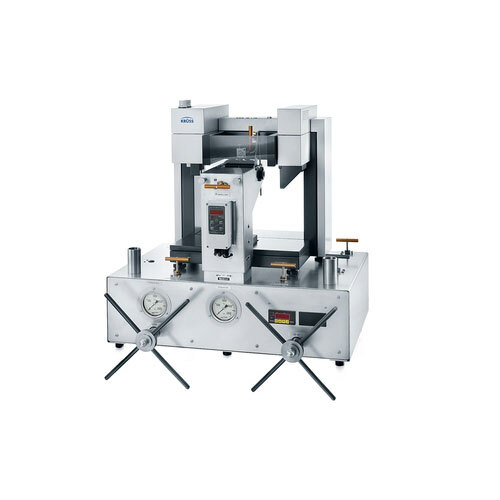
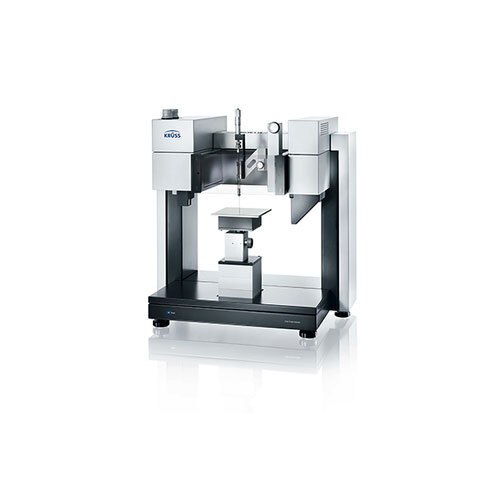
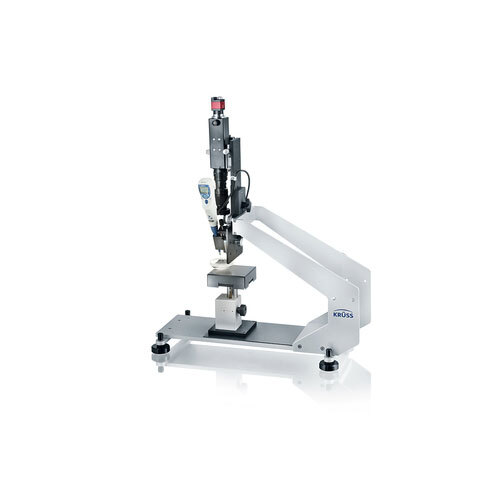
DSAHP:DSA100HP is a high-quality solution for the precise measurement of contact angle and surface tension and interfacial tension under high pressures and temperatures, primarily for tertiary oil recovery. The DSA100HP combines Drop Shape Analyzer. DSA100 for optical drop shape analysis with a high-quality measuring cell for high-pressure applications. It determines the surface tension, and analyzes the wetting of oil-bearing rock by surfactant solutions under the extreme pressure and temperature conditions found in reservoirs. The results help in the extraction of oil from layers of rock in the most effective manner using tertiary oil recovery (EOR) methods.
Features
- Having a capacity of approx. 30 ml.
- High Pressure Screw Piston Pump is highly reliable.
- The liquid is pressed through a needle.
- Diameter of the needle can be choosen in different interchangable sizes.
Applications
- Surface tension of surfactant solutions and their interfacial tension with oil under storage conditions.
- Wettability of and extraction of oil from oil-bearing rock.
- Pressure extraction by means of liquefied gases, e.g. carbon dioxide.
- Development of surfactants for liquid gases.
-
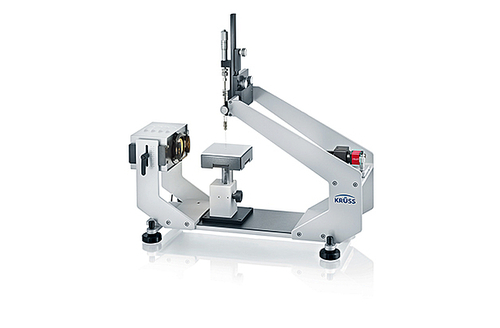
Advanced Imaging and Accurate MeasurementsHarness advanced optics with a 5-megapixel CMOS camera and LED ring illumination to capture high-resolution drop shape and contact angle data. The adjustable lighting and digital video at 60 fps allow for in-depth analysis of surface properties with minimal user intervention. Automated dispensing and X-Y stage adjustments simplify specimen setup and measurement repeatability.
Comprehensive Software IntegrationThe included analysis software provides robust calculation tools for contact angle, surface, and interfacial tension. Real-time data is displayed digitally and can be exported in JPG, BMP, or AVI formats. Easy-to-use PC controls and compatibility with Windows 7, 8, and 10 ensure seamless operation, while both automatic and manual calibration support precise measurements.
Safety and Construction for Reliable UseBuilt with stainless steel and anodized aluminum, the Drop Shape Analysis System is engineered for longevity and safe use. Overload and overvoltage protections safeguard your work. The tabletop design, precision motion controls, and automatic features make it a compelling solution for academic, research, or industrial laboratories in need of robust drop shape analysis.
FAQs of Drop Shape Analysis System:
Q: How does the Drop Shape Analysis System measure contact angle and surface tension?
A: The system uses its high-resolution 5-megapixel CMOS camera to capture drop shapes in real time. The included analysis software calculates contact angle and surface/interfacial tension by analyzing drop profile data from images or video footage, ensuring accurate and repeatable measurements.
Q: What types of samples and specimen sizes can be analyzed with this equipment?
A: This system is designed for single drop analysis on specimens up to 60 x 60 mm. Its adjustable sample stage allows users to easily position laboratory or desktop samples, making it versatile for various surface and material tests.
Q: When should I use the automatic calibration vs. manual calibration options?
A: Automatic calibration is recommended for routine measurements, providing quick and precise setup. Manual calibration offers flexibility for specialized or non-standard tests, enabling users to finetune the system based on unique sample requirements or experimental protocols.
Q: Where is the best environment to install the Drop Shape Analysis System?
A: Install the system in a controlled laboratory environment with stable humidity (10%90% RH) and temperature (10C60C). The robust stainless steel and anodized aluminum construction ensures reliable operation on any tabletop, making it suitable for academic, industrial, or research settings.
Q: What is the process for controlling drop size and liquid dispensing?
A: Drop size is managed using the precision micro-syringe, with a controlled range from 0.01 to 500 l. The adjustable syringe and PC-controlled dispense system provide consistent, accurate drops for every test, essential for scientific repeatability.
Q: How does the system ensure measurement accuracy and data integrity?
A: With a measuring range from 0 to 180 and 0.1 contact angle accuracy, the system combines high-resolution imaging, digital PC display, and software analysis. Overload and overvoltage protection further guarantee operational stability and data integrity during experiments.
Q: What benefits does the Drop Shape Analysis System offer compared to manual methods?
A: This automated system streamlines drop analysis, reduces user error, and accelerates data collection. Features like real-time video, automatic calibration, and PC-based exportable data save time while improving consistency and reliability in contact angle and wetting measurements.







 Send Inquiry